Are You Being Too Fussy?
Curt Skene’s In2Win! Career Coaching Supplement.
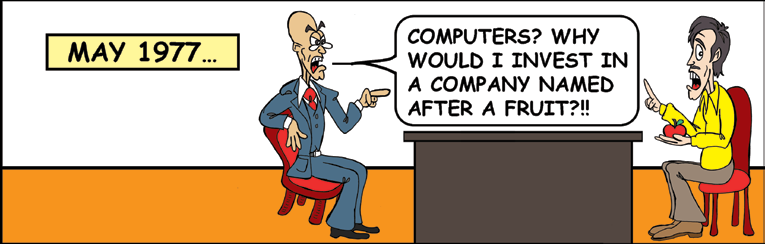
Every executive likes to have choices and the opportunity to work for the “perfect” company but be wary of being too fussy or you might be waiting a long, long time. Sometimes there is a tendency to look at new opportunities with an “I’m better than that” attitude. News alert: Finding your dream job is like looking for diamonds in the sand. In reality, no job is perfect all the time and most jobs come closer to being perfect when you decide to make them so.
In short, perfection is in the eyes of the beholder. At the beginning your ego may be riding high aided by your comfortable severance package, so saying “no” is little sweat off your back. But the number of executives who have said they wished they knew then what they know now is astonishing. Take every job offer seriously, look at all the angles and seek opinions from those you trust.
Instead of asking what’s wrong with this opportunity try asking what’s right and see if this nets you a different perspective. Whether you like it or not you are much more marketable when employed. Companies can more easily envision you as a valuable asset when they’re not reminded that another company decided you were expendable. While I rarely recommend accepting an offer if your intention is to keep looking for another position, sometimes it makes sense to do this.
We all need to work and now at least you are getting paid for doing your search.
The next role does not have to be the final destination. A stepping-stone opportunity may move you closer.
Why I Wrote This Page
Because your sense of what’s “good enough” isn’t stable. It shifts with how much financial runway you have left, which means the same exact offer can look completely different in month one versus month six.
Early in a search, with severance still fresh, the bar for acceptable is set artificially high, and it’s easy to talk yourself into believing something better is always around the corner. That confidence quietly erodes as the runway shortens, and the same opportunity you dismissed early starts looking a lot more reasonable later. The opportunity didn’t change. Your reference point did.
Knowing this in advance means you can adjust for it deliberately instead of being surprised by your own shifting standards later.
Action Steps
- Before you’re under financial pressure, write down what you’d honestly consider a reasonable offer. Revisit that note before turning anything down.
- When you decline something, ask whether you’re rejecting the role or reacting to your current comfort with your severance. Be honest about which.
- Remember that employed candidates are more attractive to employers than unemployed ones. Sometimes the “good enough” job is what gets you into position for the better one.
In2Win! Afterthought
Curt’s current observations and updated guidance will be added here.
Suggested Reading Links
The Learning Library contains hundreds of books on a variety of business and career topics. We want to make sure you don’t miss these ones.
What does this page mean for your search?
Share an idea, ask a question or learn from other In2Win! members. Posting requires a Quickstart, Premium or VIP login.
Be the first to join this discussion
Join the Discussion →