Do You Look and Act the Part?
Curt Skene’s In2Win! Career Coaching Supplement.
Let’s face it, if you’re going to be a successful executive again you better continue to act and perform like one, especially in transition! Marketing professionals better market themselves like they would their next great product. Sales professionals better demonstrate their features and benefits quicker and clearer than the next candidate.
Project leaders better show they are managing their time, resources and back-to-work plan effectively. Human Resource professionals better master the interview process to prove that not only can they pick winners… but they are winners themselves! Finally, senior executives better be brilliant at opening more doors, making tough introduction calls and hosting high performance information meetings.
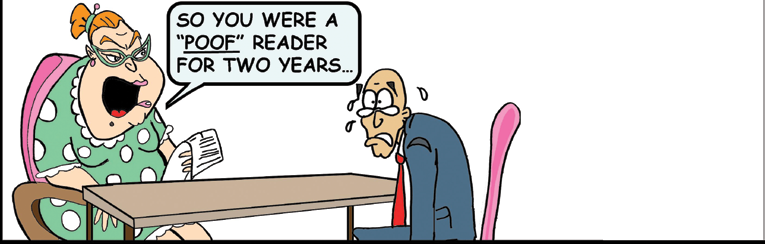
How you manage your career search is indicative of how you will approach their business. Double check all of your correspondence, especially your grammar, to ensure it fits the role you are seeking. Make sure your dress code is always indicative of a senior professional and that the manner in which you speak reflects executive-level discourse.
Sift through everything you do and satisfy yourself that everything is an accurate representation of who you are. This includes business cards, your resume and any other executive documents you may leave behind. Finally, don’t forget to look at your education, affiliations and hobbies; lose anything that doesn’t present you as a professional and proven executive.
Greater experience should produce greater business impact. Make that increased value visible on your résumé.
Why I Wrote This Page
Because people use small consistencies as proof of large ones. If the little things, dress, grammar, punctuality, don’t match the level you’re claiming, it doesn’t stay small. People unconsciously generalize the gap to everything else about you.
This is why a single typo in a cover letter or a sloppy voicemail greeting does more damage than its size would suggest. It isn’t judged as one small mistake. It’s read as evidence, fairly or not, about how you’ll handle everything else. Professionals who look and act the part aren’t performing, they’ve simply closed the gap between the level they’re claiming and every visible detail an employer can check.
This applies to every touchpoint, not just the interview itself. Your voicemail, your email signature, your LinkedIn headline, they’re all being read as evidence too.
Action Steps
- Audit every touchpoint an employer might see before you ever speak to them, voicemail, email signature, LinkedIn headline, and make sure each one matches the level you’re claiming.
- Have someone else proofread anything going to an employer. Small errors are nearly invisible to the person who wrote them.
- Notice where your presentation is inconsistent with your experience level, and close that specific gap first, before polishing anything else.
In2Win! Afterthought
Curt’s current observations and updated guidance will be added here.
Suggested Reading Links
The Learning Library contains hundreds of books on a variety of business and career topics. We want to make sure you don’t miss these ones.
What does this page mean for your search?
Share an idea, ask a question or learn from other In2Win! members. Posting requires a Quickstart, Premium or VIP login.
Be the first to join this discussion
Join the Discussion →