Are You Utilizing the Three-Minute Rule?
Curt Skene’s In2Win! Career Coaching Supplement.
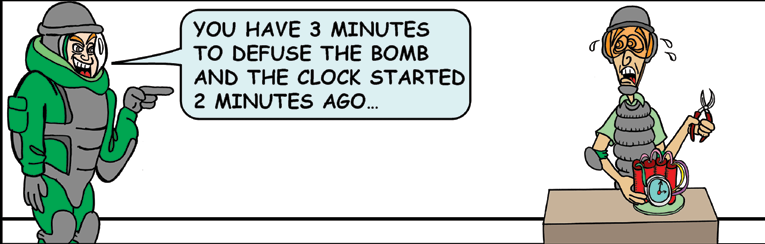
The first three minutes is where lasting impressions are made. These are the moments where your future is defined. I am even going to make the bold statement that I believe 50 percent of your success in a meeting or interview will be determined during this time. Sadly, while most agree with this statement, few practice or give these first few minutes any thought.
In the first minute you’re judged on whether you look professional, trustworthy and capable. During the second minute you’re judged on whether you sound intelligent and speak in an easy-to-listen-to manner. The third minute focuses on how you make the other person feel and whether you appear genuine. In three minutes your future is judged, decided and acted on… so make them count!
Always consider how you dress, what you say and how you demonstrate that you care about the opportunity. Eye contact, body language and tonality are critical as is the quality of the questions you ask. Create a powerful “tell-me-about-yourself” script and be prepared to deliver it often and with passion. One little secret I have is, wherever possible ask for a tour of their facilities as this allows others to brag about their business and for you to show genuine interest in what they have to say.
Finally, while the first three minutes are no doubt the toughest, rest assured if you successfully push your way through them the conversation will become more natural and comfortable.
Your opening impression sets the tone. Rehearse it until confidence and value are immediately clear.
Why I Wrote This Page
Because people form lasting judgments from remarkably brief exposure, and those snap judgments are far harder to overturn later than most candidates realize.
Researchers call this thin-slicing: a few seconds or minutes of observation produces an impression that sticks, and everything afterward tends to get filtered through it rather than judged fresh. That’s why the first three minutes matter more than their share of the total interview time. They’re not just an opening, they’re the lens the rest of the conversation gets viewed through.
This means preparation time is disproportionately valuable at the very start. Polishing your answer to question fifteen matters far less than making sure the first three minutes are deliberate, not accidental.
Action Steps
- Script and rehearse your opening minute specifically, not just your general talking points. It carries more weight than any other single minute in the room.
- Practice your first handshake, greeting, and opening line until they’re automatic. You want your energy going toward substance, not nerves, once the clock starts.
- Ask for a facility tour or a moment of small talk before the formal questions begin. It gives you a low-pressure rep at setting the first impression before the stakes rise.
In2Win! Afterthought
Curt’s current observations and updated guidance will be added here.
Suggested Reading Links
The Learning Library contains hundreds of books on a variety of business and career topics. We want to make sure you don’t miss these ones.
What does this page mean for your search?
Share an idea, ask a question or learn from other In2Win! members. Posting requires a Quickstart, Premium or VIP login.
Be the first to join this discussion
Join the Discussion →