Are You Aligned With How Others Perceive You?
Curt Skene’s In2Win! Career Coaching Supplement.
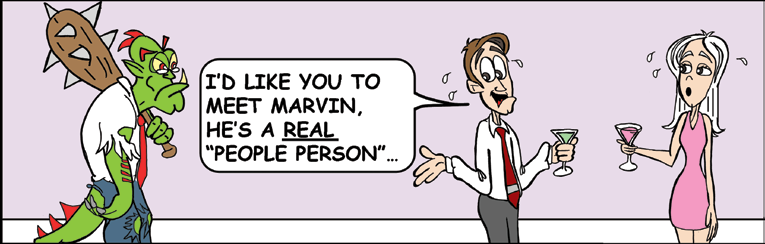
Every executive creates a distinctive first impression that is usually communicated before words are spoken. Whether it’s the way you are dressed, an industry reputation, the manner in which you speak or pure gut instinct, an employer will often make their initial judgment of you quite quickly. To create instantaneous rapport it is important to understand how employers may perceive you, so that you can acknowledge their view and align yourself with it.
For example, if you know you come across as friendly or driven acknowledge that in your conversation. Once you have then you can describe any other traits you have. You could say, “I’m sure that during this meeting you’ll notice that ….
(describe your most obvious character trait), however most people are surprised to find out I am also … (describe a secondary trait).” For instance, if you are “driven” then you might say “I’m sure that during this meeting you will get a good sense of my drive and desire to take action quickly. However, most people are very surprised at the level of empathy and patience I can also demonstrate when appropriate.”
If you start out by implying that you are something they don’t see, you run the risk of creating a disconnection and your ability to be self-aware and truthful may be called into question.
Acknowledge the employer’s current perception before asking them to accept a different view of your potential.
Why I Wrote This Page
Because directly contradicting someone’s existing first impression creates discomfort they usually resolve by dismissing you, not by updating their view of you.
This is a version of cognitive dissonance: once someone has formed a read on you, being told flatly that they’re wrong doesn’t open their mind, it closes it. Acknowledging what they already see first lowers their guard enough that they can actually hear the additional layer you want to add. “You’ll probably notice I’m direct” said before you demonstrate empathy lands completely differently than leading with the empathy and hoping they don’t notice the directness.
This isn’t about managing perception dishonestly. It’s about sequencing the truth in an order the other person can actually absorb.
Action Steps
- Ask a few trusted colleagues what trait they notice about you first. That’s the impression you need to acknowledge before adding anything else.
- Practice naming your most obvious trait out loud before pivoting to a secondary one, rather than hoping the secondary trait speaks for itself.
- Notice when you’re tempted to argue against someone’s first impression directly, and try acknowledging it instead. It usually lands better.
In2Win! Afterthought
Curt’s current observations and updated guidance will be added here.
Suggested Reading Links
The Learning Library contains hundreds of books on a variety of business and career topics. We want to make sure you don’t miss these ones.
What does this page mean for your search?
Share an idea, ask a question or learn from other In2Win! members. Posting requires a Quickstart, Premium or VIP login.
Be the first to join this discussion
Join the Discussion →